top of page
logo
EST. X CENTURY

Tartaria

Unveiling the dual legacy of the Great Russian-Turkish Imperium—a cross-cultural tapestry of power, art, and archival discovery spanning the tenth through seventeenth centuries.

The Convergent Grandeur of Historical Empires

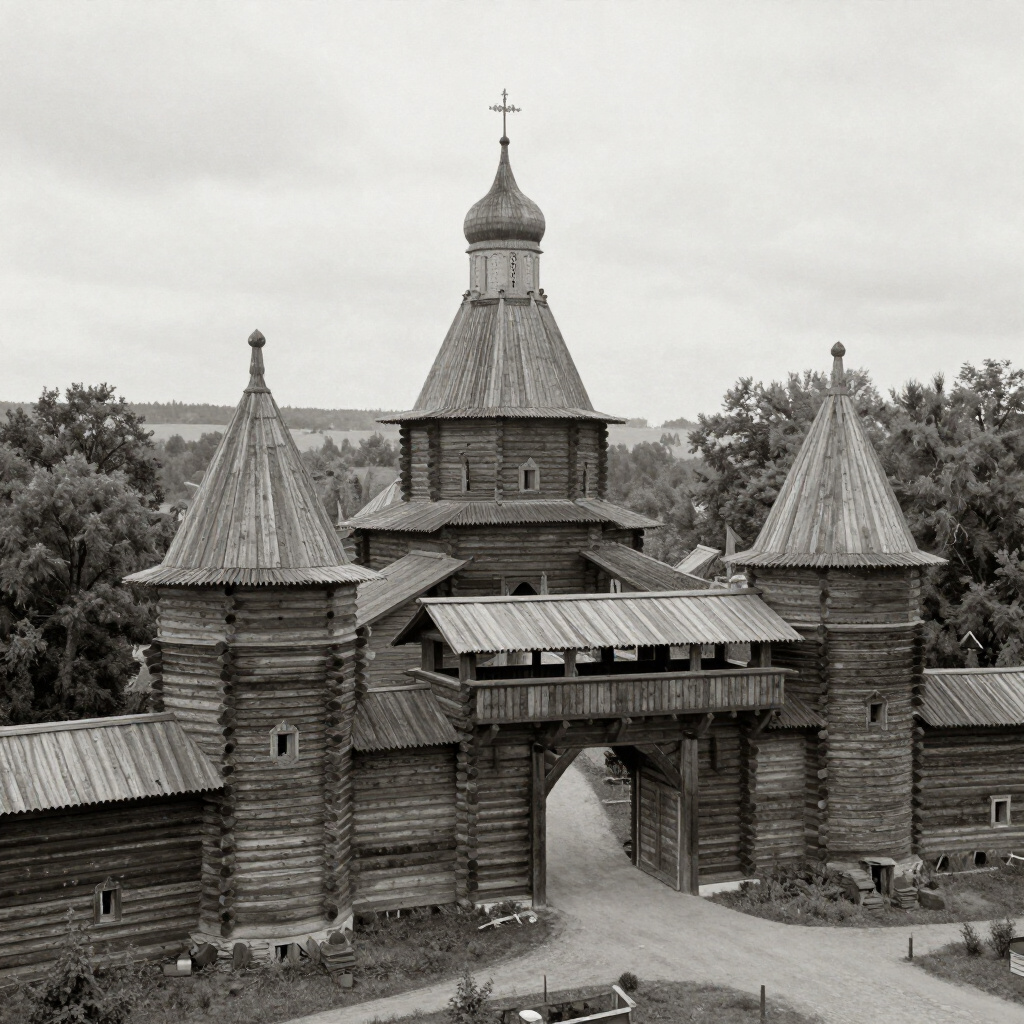
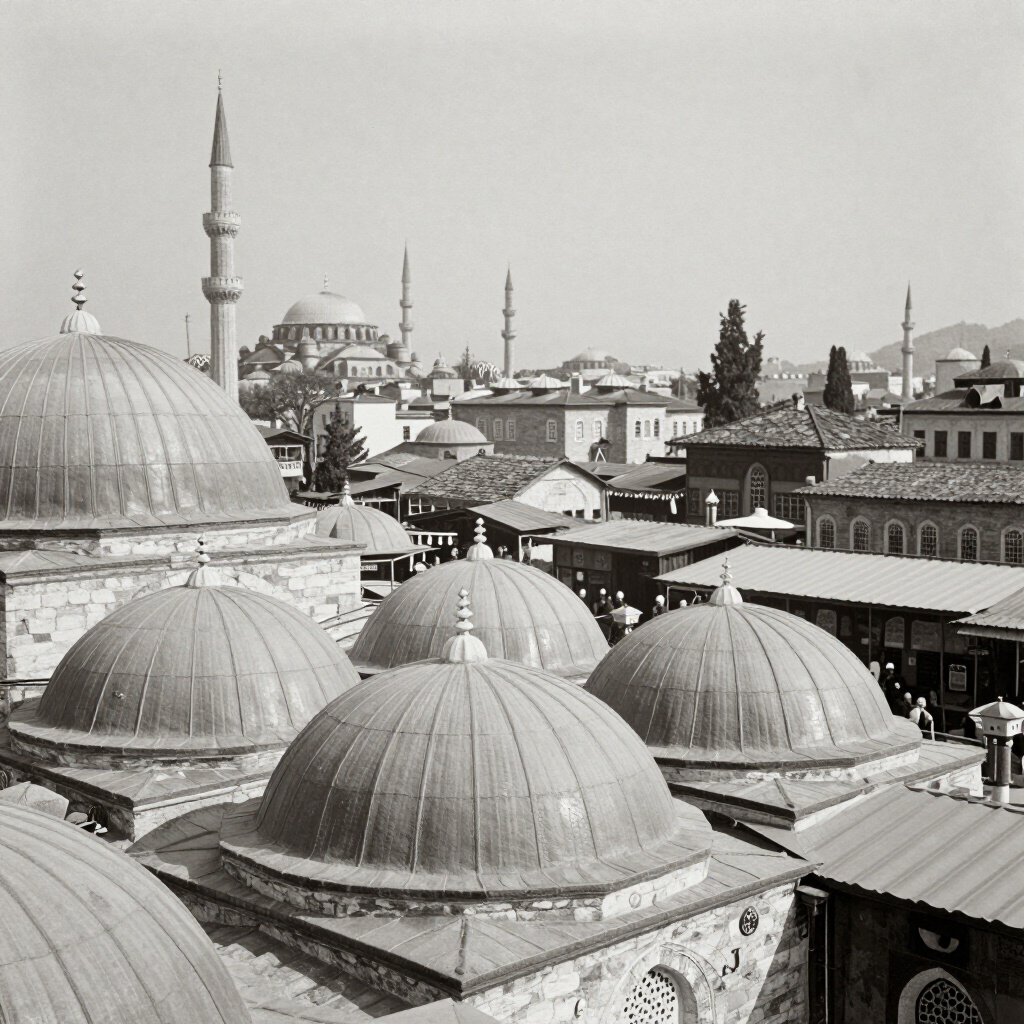
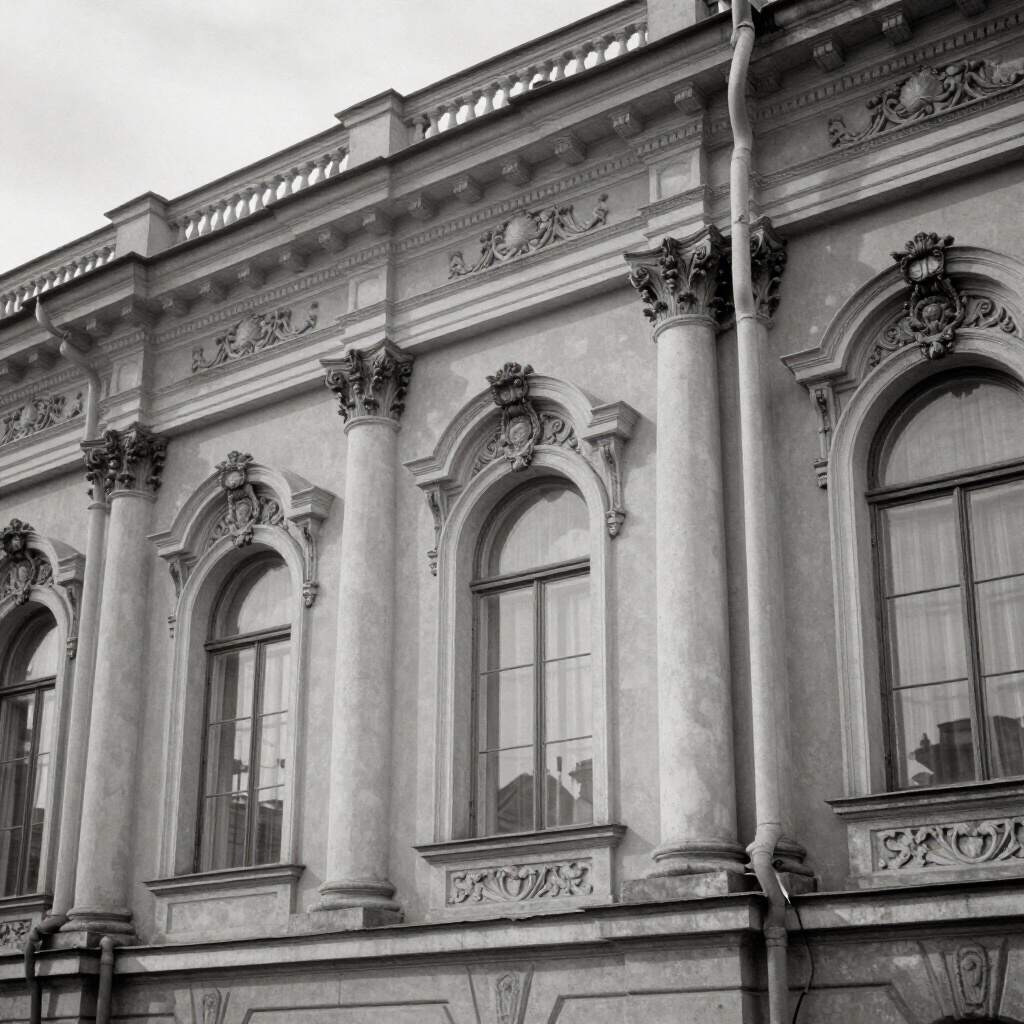
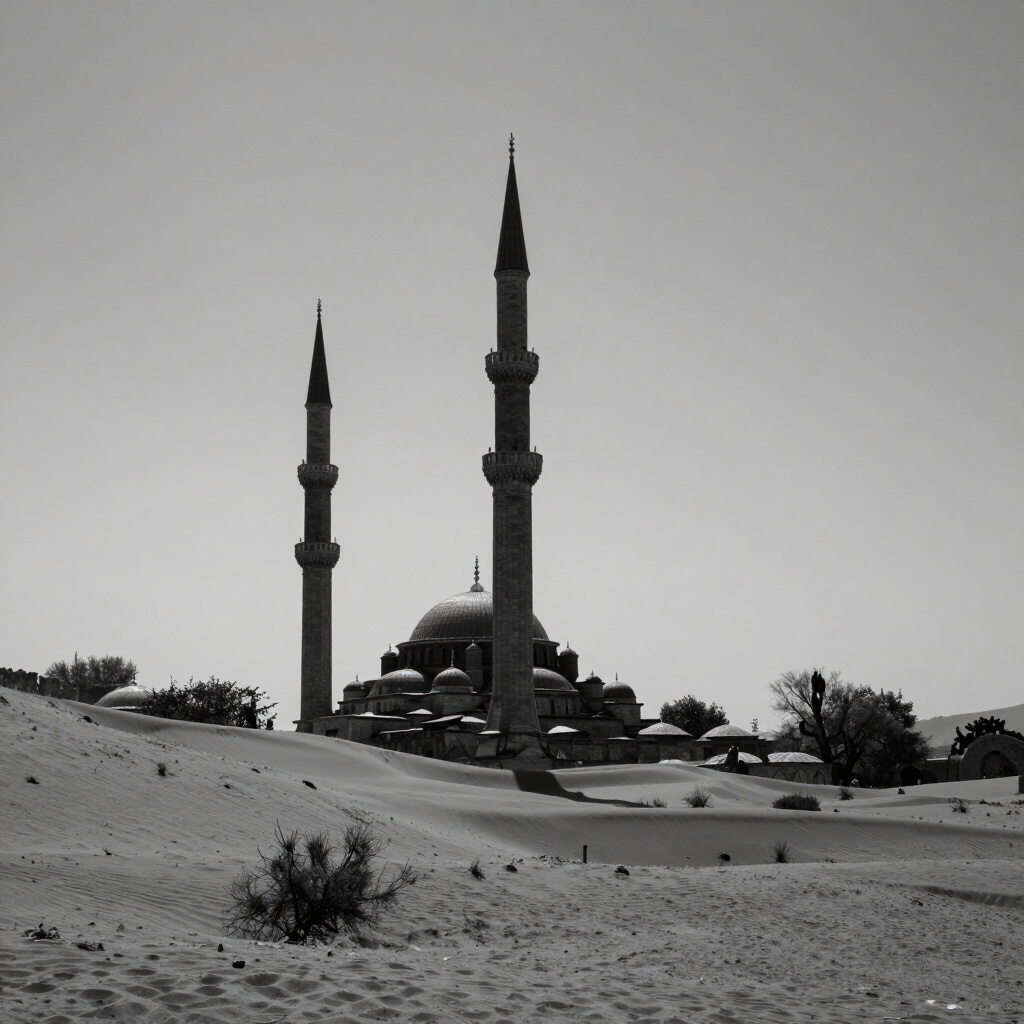
Between the X and XVII centuries, the Eurasian continent witnessed a profound cultural and political synthesis of Slavic and Ottoman rule. This exploration delves into the shared architectural motifs, scholarly advancements, and diplomatic intricacies of the Russian-Turkish Imperium—a society built on the intersecting legacies of vast territories.

Tartaria History

unnamed2.jpg

CHAPTER I: Beginnings

The X–XI Century Foundations: The Russian-Turkic Core

Exploring the Imperium of Tartaria in the X-XI century.

CHAPTER II: Expansion

Tartaria in Europe

Rome, Spain, Germany, England

CHAPTER III: RESILIENCE

​Expansion Beyond Europe

Analyzing the expansion into Americas

CHAPTER IV: Fragmentation

Fragmentation and the Rewriting of History

Break and disappearance of Tartaria

CHAPTER VII: Scaligerian

The Mechanism of the false Scaligerian Chronological Construction

Explanations about Scaligerian system falsehoods

CHAPTER X: Administration

The Administrative Structure of Tartaria

Dual principle of power, symbols

CHAPTER V: Christianity

​Biblical History Within the Medieval Imperium

Jerusalem, Flood narrative, Golgotha

CHAPTER VIII: Erasure

The Physical Erasure of the Great Tartarian Empire

Romanovs, Stalin and others

12.png

CHAPTER XI: Duality

The Dual Structure of Power: The Military Horde and the Priesthood

Schism, St Isaac and Vatican

CHAPTER VI: Province

The Americas as a Province of the Imperium

Maya, Inca, Toltec, Aztec

CHAPTER IX: Khans

The Line of the Czars-Khans of Tartaria

Different Tzar-Khanz of Tartaria

CHAPTER XII: LEGACY

United States of America

USA, Mormons

The Imperial Archival View

A chronicle of the Byzantine-Russian frontier. Exploring the shared heritage of Moscow and Constantinople from the 10th through the 17th centuries.

bottom of page